Mini split air conditioning systems have become increasingly popular for homeowners and businesses seeking an efficient way to maintain indoor comfort without incurring high energy costs. These systems offer a unique solution by combining effective cooling with energy-saving technology, making them an attractive choice for those who want to balance comfort and savings. Unlike traditional central air conditioners, mini splits do not require ductwork, which significantly reduces installation complexity and potential energy losses associated with ducts. This feature alone can lead to substantial savings over time.
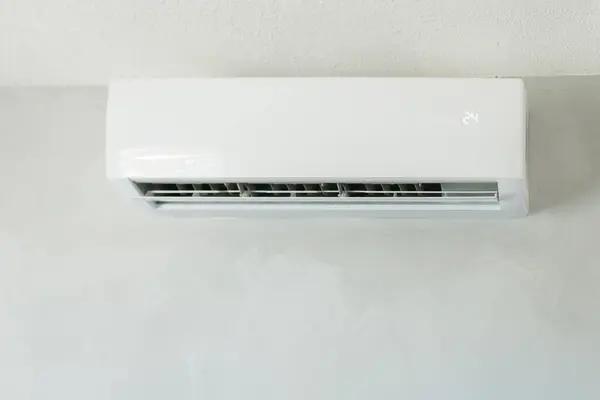
A mini split system consists of two main components: an outdoor compressor unit and one or more indoor air-handling units. The indoor units are mounted on walls or ceilings in individual rooms, allowing for personalized temperature control in each space. This zoning capability means users can cool only the areas they occupy rather than the entire building, further reducing unnecessary energy consumption. Additionally, many modern mini splits use inverter technology that adjusts compressor speed based on cooling demand, providing consistent temperatures while minimizing power usage.
Energy efficiency is a critical factor when considering any cooling system. Mini splits typically boast high Seasonal Energy Efficiency Ratios (SEER), often exceeding those of conventional HVAC systems. Higher SEER ratings translate into lower electricity bills without compromising performance. Furthermore, these systems use environmentally friendly refrigerants that have less impact on global warming compared to older alternatives.
Another advantage lies in their quiet operation and compact design. Indoor units operate at low noise levels, ensuring minimal disruption to daily activities or sleep quality. The sleek appearance also blends well with interior decor without requiring bulky equipment or extensive modifications.
Maintenance requirements for mini split ACs are generally straightforward as well. Filters need regular cleaning or replacement to maintain airflow efficiency and indoor air quality but overall upkeep tends to be less demanding than traditional HVAC setups due to fewer mechanical parts exposed indoors.
While initial costs may be higher than window units or portable air conditioners, the long-term benefits of reduced utility bills and improved comfort make mini splits a cost-effective investment over time. They are especially suitable for homes lacking existing ductwork or spaces where zoning control is desired.
In summary, Mini Split AC systems provide a balanced approach by delivering reliable cooling performance alongside considerable energy savings through advanced features like inverter-driven compressors and zoned temperature control capabilities. Their ease of installation coupled with quiet operation makes them ideal for various residential and commercial applications focused on maximizing comfort while minimizing expenses related to energy consumption and maintenance needs.