
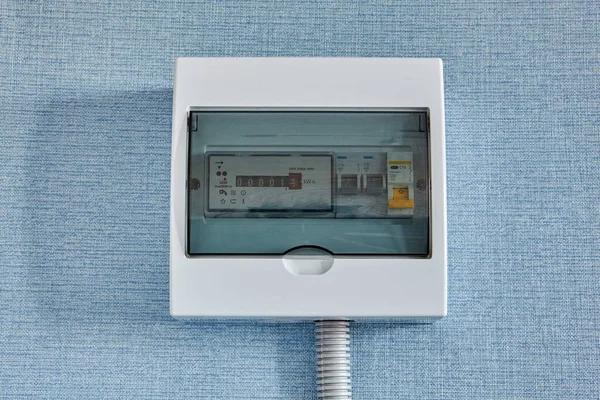
Replacing an electrical panel is a significant home improvement task that requires careful consideration to ensure safety, functionality, and compliance with local codes. Before embarking on this project, homeowners should be aware of several key factors to make an informed decision and avoid costly mistakes.
First and foremost, the condition and capacity of the existing panel must be assessed. Older panels, especially those installed decades ago, may not meet the current electrical demands of modern households. If your home frequently experiences blown fuses, flickering lights, or overheating outlets, it could be a sign that your panel is outdated or overloaded. Consulting a licensed electrician to evaluate the current load and safety of your panel is essential before proceeding with replacement.
electrical panel replacement in Southern Pines
Another crucial factor is the size and capacity of the new electrical panel. The amperage rating should match the energy needs of your home, considering both current usage and potential future expansions. Most modern homes require panels rated between 100 and electrical panel upgrades for residential properties 200 amps, but larger homes or those with high-energy appliances like electric HVAC systems, ovens, or EV chargers may need panels with higher capacity. Choosing the right size ensures that the electrical system can handle the load safely without frequent tripping or hazards.
Compliance with local building codes and regulations is also a vital consideration. Electrical panels must be installed according to the standards established by authorities having jurisdiction (AHJ), often based on the National Electrical Code (NEC). Failure to comply can result in safety risks, failed inspections, or difficulties when selling the property. Working with certified electricians familiar with local codes guarantees that the replacement meets all legal and safety requirements.
The type and brand of the electrical panel can influence safety and reliability. Certain brands have better reputations for quality and durability. It is advisable to select panels from reputable manufacturers and avoid known problematic models. Additionally, consider panels with features that enhance safety, such as ground fault circuit interrupters (GFCIs) and arc fault circuit interrupters (AFCIs), which offer protection against electrical shocks and fire hazards.
Budget is another important factor in panel replacement. Costs vary widely depending on the panel size, complexity of installation, and any necessary upgrades to the wiring or grounding system. While it might be tempting to opt for the lowest bid, prioritize quality and expertise to prevent future issues. Investing in a professional installation can save money and stress over time.
Lastly, timing and convenience should be considered. Electrical panel replacement can cause temporary power outages and disrupt daily routines. Planning the work during a period of low household activity or coordinating with your electrician to minimize downtime can make the process smoother.
In summary, before replacing an electrical panel, evaluate the current panel’s condition, select the appropriate size and brand, ensure compliance with local codes, budget wisely, and plan the timing carefully. Addressing these factors will help secure a safe, efficient, and reliable electrical system for your home’s present and future needs.
After Hours Electrical, LLC
220 E Illinois Ave #17, Southern Pines, NC 28387
910-303-7722


