Weather plays a significant role in the durability and maintenance of roofing systems in Hanover structures. The local climate, characterized by seasonal variations, directly impacts the materials used and the longevity of roofs. Understanding how weather affects roofing is essential for homeowners and builders to make informed decisions about installation, repairs, and routine upkeep.
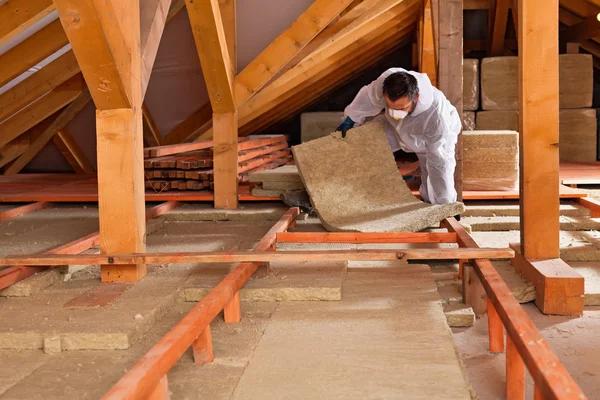
In Hanover, winters can be harsh with freezing temperatures, snow accumulation, and ice formation. These conditions put considerable stress on roofing materials. Snow adds weight to roofs, which can lead to structural strain if not properly designed or maintained. Ice dams are another common issue; they form when melting snow refreezes at roof edges, preventing proper drainage. This trapped water can seep beneath shingles or tiles causing leaks and internal damage over time. Proper insulation and ventilation are crucial in mitigating these effects by maintaining consistent roof temperatures that prevent ice dam formation.
Spring brings fluctuating temperatures along with rain showers that test the waterproofing capabilities of any roofing system. Water infiltration during this season often reveals weaknesses such as cracked shingles or deteriorated flashing around chimneys and vents. Consistent exposure to moisture without adequate drainage accelerates wear on roofing components leading to mold growth or wood rot within dive deeper underlying structures.
Summer introduces heat stress due to high temperatures combined with intense sunlight exposure. Prolonged ultraviolet (UV) radiation breaks down certain roofing materials like asphalt shingles by causing them to dry out, crack, or curl prematurely. Heat also causes expansion and contraction cycles which may loosen fasteners or create gaps between overlapping sections of a roof covering. Selecting heat-resistant materials such as metal roofs or reflective coatings helps reduce thermal damage while improving energy efficiency inside buildings.
Autumn’s falling leaves pose additional challenges by clogging gutters and downspouts if not regularly cleared away. Blocked drainage systems cause water backup that saturates roof surfaces encouraging moss growth especially in shaded areas where moisture lingers longer after rainfalls.
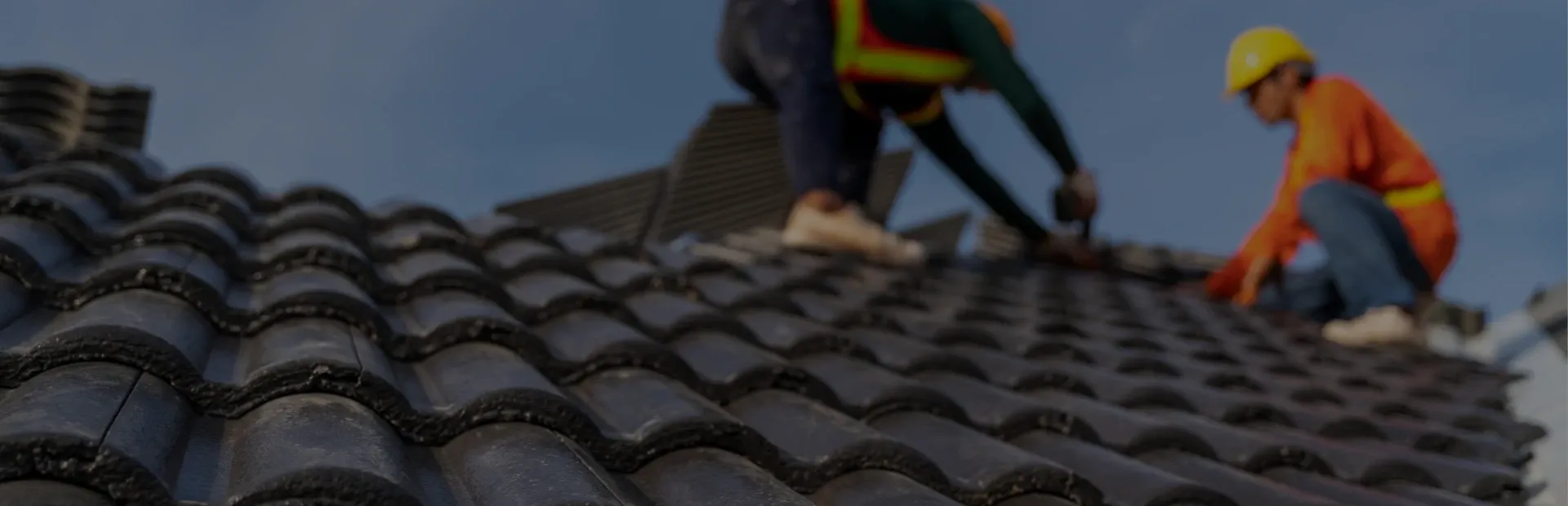
Overall weather patterns influence material choice for Hanover roofs significantly; durable options like slate tiles withstand freeze-thaw cycles well but come at higher costs compared to more economical alternatives like asphalt shingles prone to faster degradation under extreme conditions.
Regular inspection following severe weather events ensures timely detection of damages before they escalate into costly repairs affecting structural integrity further down the line.
By acknowledging how each season’s unique weather conditions impact roofing performance in Hanover structures owners can adopt proactive strategies including appropriate material selection along with preventive maintenance routines tailored specifically for their environment ensuring long-lasting protection against nature’s elements year-round.