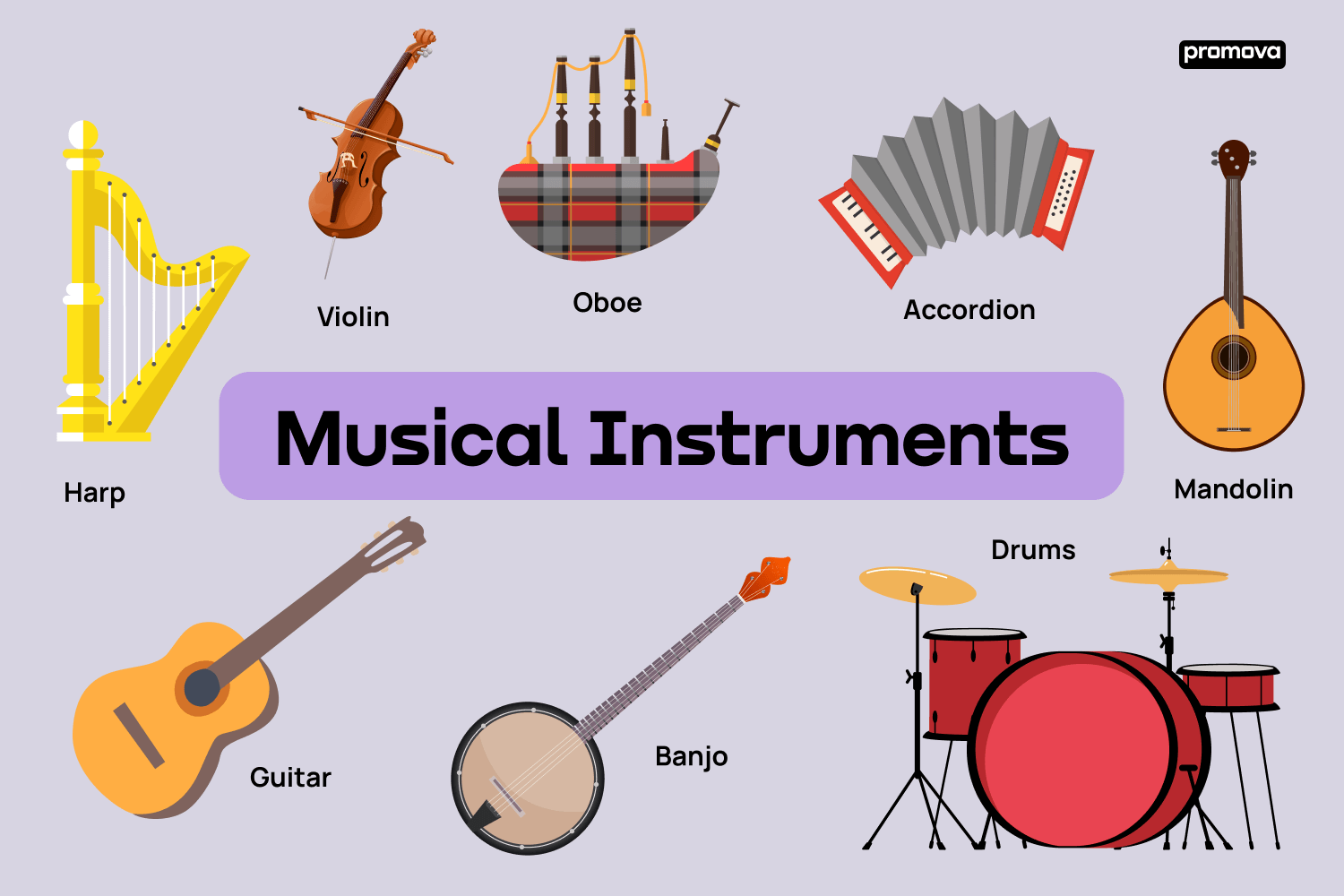
The mandolin is a stringed musical instrument belonging to the lute family, characterized by its small, teardrop-shaped body and eight strings arranged in four pairs or courses. These paired strings are typically tuned in unison, producing a bright and resonant sound that distinguishes the mandolin from other string instruments. The instrument is played by plucking the strings with a plectrum or pick, allowing for rapid note articulation and dynamic expression. Its origins trace back to Italy during the 17th and 18th centuries, evolving from earlier lute-like instruments. Over time, the mandolin has found its place in various musical traditions around the world.
In terms of construction, traditional mandolins often feature carved wooden tops made of spruce or cedar for enhanced tonal quality, while backs are crafted from maple or similar hardwoods to provide structural support and brightness in sound. The neck what is mandolin relatively short compared to guitars, facilitating fast finger movements across frets. The combination of paired strings and compact size gives rise to a distinctive shimmering effect when chords or melodies are played.
Musically, the mandolin serves multiple roles depending on genre and context. In classical music settings, it often carries melodic lines with intricate ornamentation due to its ability to execute quick runs and trills effectively. Composers such as Antonio Vivaldi have written concertos specifically for this instrument, showcasing its versatility beyond folk traditions. In folk music worldwide-including American bluegrass, Celtic tunes from Ireland and Scotland, as well as Italian folk songs-the mandolin contributes rhythmic drive through chop chords or provides melodic embellishments that complement vocals or other instruments.
Bluegrass music particularly highlights the mandolin’s percussive qualities; players use a technique called “chop” where muted strums create rhythmic accents within an ensemble featuring banjoes, fiddles, guitars, and basses. This approach helps maintain tempo while adding texture without overpowering other elements of the band’s soundscape. Additionally, solo performances often emphasize expressive phrasing using tremolo-a rapid repetition of notes achieved by quickly moving the pick back and forth-allowing sustained tones despite limited natural sustain inherent in plucked string instruments.
Beyond traditional genres, modern musicians incorporate mandolins into rock bands or fusion projects seeking unique timbres not achievable with electric guitars alone. Its bright tone cuts through dense arrangements effectively when amplified properly via pickups designed for acoustic stringed instruments.
Overall, the mandolin remains valued both for its historical significance and adaptability across diverse musical styles worldwide. Whether providing harmonic support in an ensemble setting or taking center stage with virtuosic solos at concerts around the globe,the instrument continues enriching contemporary music scenes while preserving rich cultural legacies rooted centuries ago.