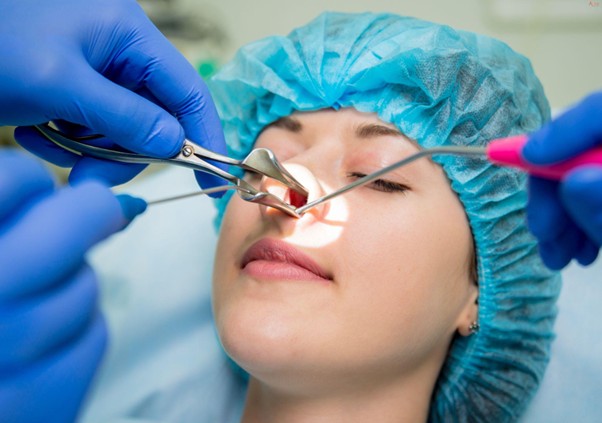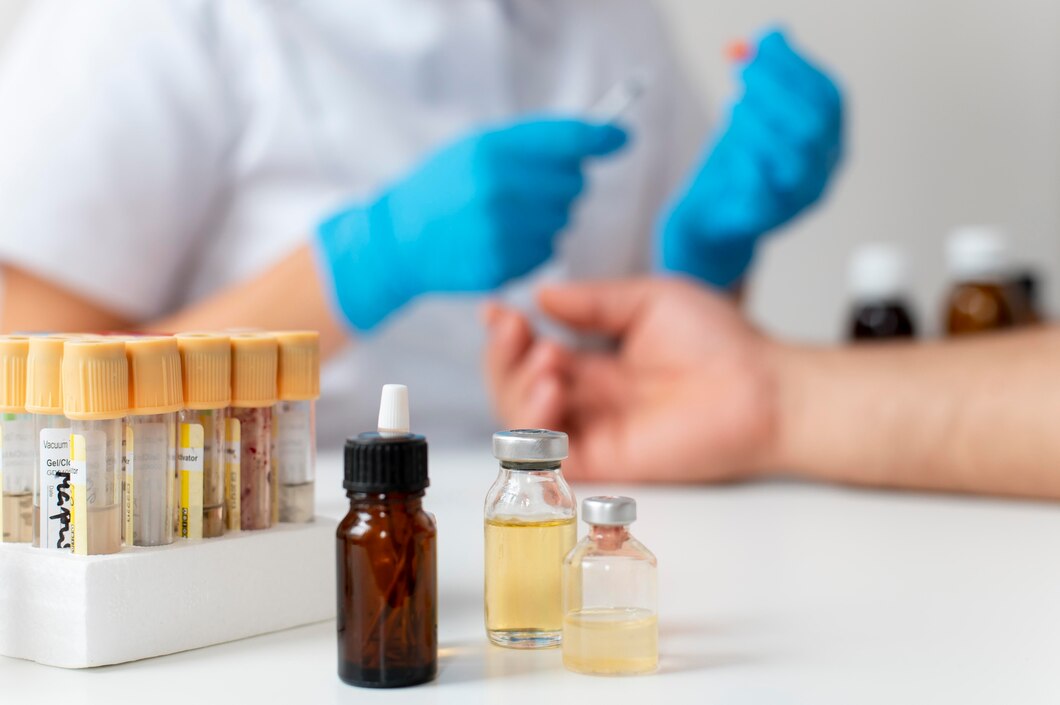
GHK-Cu is a peptide consisting of glycine, histidine, leucine, and lysine that is known to bind to copper and has been studied for its association with tissue remodeling and extracellular matrix activity. Scientists have studied this naturally occurring compound about its possible function in activities linked to collagen production, healing of wounds, and human skin biology. Collagen is a structural protein that keeps the skin firm, elastic, and intact. GHK-Cu remains a subject of investigation as researchers investigate the effects of copper-dependent biological pathways on tissue behavior.
The biological interests of the research and the laboratory study
This increased interest of GHK-Cu has led more laboratory scientists to investigate the properties of GHK-Cu in controlled experimental environments. A plasticsurgerykey guide can help readers understand why it’s included in any discussion about regenerative biology skin research or collagen-related mechanisms. Laboratory studies could examine alterations in cellular response pathways and changes in components of extracellular matrices. Research findings do not, however, automatically mean that the research can be used as evidence of clinical effectiveness. Results can vary greatly depending on experimental conditions (dose formulation and study populations).
Innovation in science and research in the lab
Innovation in the laboratory is becoming more and more directed towards optimizing the study of bioactive compounds. Scientists studying GHK-Cu can investigate the formulation properties of purity stability and its interactions with biological systems. There are companies like Kylo Peptide, which are related to the wider research supply business for specialized compounds. There is a need for appropriately characterized materials, reliable analytic methods, and carefully controlled experimental designs for meaningful scientific interpretation. These factors are important to consider when determining if preliminary laboratory observations are evidence that could be leading to a human application.
GHK-Cu Looking Ahead
The interest of GHK-Cu is part of the general trend of modern biology studies involving the molecular and cellular study of biological compounds. Researchers are still pursuing the relationship between collagen metabolism, tissue healing, and copper-binding mechanisms. Kylo Peptide is a part of a research-based market where compound characterization and laboratory standards still play a role. A plasticsurgerykey guide can be helpful to readers who are interested in this topic and may add emphasis to a very important rule in health care—laboratory studies do not guarantee a particular outcome or confirm a treatment. The use of humans must be evaluated independently of the results of experiments and with the help of suitable clinical data and expert medical