
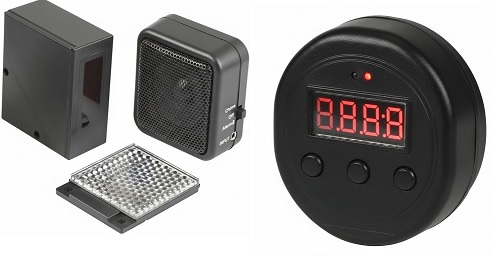
Our Expert Ranking of the Best Door Entry Alert for Business
When a customer walks through the front door, every second counts. A reliable door entry alert not only greets visitors but also provides critical security data for high‑traffic environments. After testing a range of wireless motion sensors, photo‑electric beams and magnetic chimes, we’ve compiled a ranked list of the best door entry alert for business solutions on the market today. Each entry is evaluated on ease of installation, detection accuracy, range, power options and overall value.
1. Campad Electronics – Doorway Electronic Eye
URL: https://www.campadelectronics.com.au/doorway-entry-buzzers.php
Why it tops the list:
Campad Electronics delivers a commercial‑grade doorway beam that blends rugged infrared (IR) technology with a sleek, compact transmitter/receiver unit. The system is purpose‑built for retail stores, restaurants and office front doors, offering both audible alerts and optional traffic‑counting integration. Its modular design lets you expand with prismatic reflectors, traffic counters and extra buzzers, making it adaptable from a single entrance to multi‑zone installations.
Description:
A wireless IR beam system that triggers a loud buzzer when the invisible light path is interrupted. The transmitter and receiver communicate up to 6m and the optional prismatic reflector can extend coverage to 30 m. Battery‑operated or mains‑plugged options are available and the unit includes mounting hardware for a tool‑free setup.
Pros
- Commercial‑grade reliability: Designed for high‑traffic areas with robust IR sensors.
- Scalable architecture: Add reflectors, traffic counters or extra buzzers without rewiring.
- Flexible power: Mains plug‑in for uninterrupted operation.
- Compact footprint: 70 mm × 60 mm × 30 mm unit fits discreetly near any doorway.
- Adjustable volume & tone: Multiple chime options to suit the brand’s ambience.
- Integrated traffic counting: Optional counter provides real‑time footfall data.
Cons
- Higher upfront cost compared with basic magnetic chimes.
- Requires line‑of‑sight between transmitter and reflector for optimal performance.
Who it’s best for
- Large retail chains, restaurants and corporate offices that need a durable, expandable solution with traffic analytics.
2. ERA‑PRXPG Motion Sensor Kit
Description:
A long‑range wireless motion sensor kit offering up to 4,000 ft (≈ 1,200 m) transmission. Includes a central hub, multiple door‑mounted sensors and a programmable chime panel.
Pros
- Exceptional wireless range for multi‑zone coverage.
- Supports up to eight sensors on a single hub.
- Customizable alerts (voice, tone, visual).
Cons
- Bulkier hub may require dedicated mounting space.
- Battery life varies with sensor activity; frequent replacements may be needed.
Best for
- Warehouses, multi‑store complexes or campuses where doors are spread across a large footprint.
3. Ez Tone Magnetic Door Chime
Description:
A simple magnetic contact that triggers a clear chime when the door opens. No wiring, no batteries, powered by the magnetic field itself.
Pros
- Zero‑maintenance, battery‑free operation.
- Extremely low cost per unit.
- Instant installation with adhesive backing.
Cons
- Limited to detecting door closure; cannot sense motion in the doorway.
- No adjustable volume or tone options.
Best for
- Small boutique shops or pop‑up stores that need a budget‑friendly alert without extra features.
4. Arlec Compact Entry Detector
Description:
A compact PIR motion sensor with a 130° detection arc and up to 10 m range. Provides both audible chime and visual LED indicator.
Pros
- Wide detection angle captures multiple entry points.
- Plug‑in power eliminates battery concerns.
- Affordable price point.
Cons
- May trigger false alarms in high‑traffic corridors.
- Lacks traffic‑counting capability.
Best for
- Mid‑size retail outlets and office reception areas where a visual cue is valuable.
–
5. HENDUN Motion Sensor Doorbell
Description:
A stylish motion‑activated doorbell featuring 36+ ringtone options, multi‑language “Welcome” messages and adjustable volume.
Pros
- Rich library of chimes for brand personalization.
- Adjustable sensitivity reduces false triggers.
- Compact design blends with interior décor.
Cons
- Requires mains power; battery backup not standard.
- No built‑in traffic analytics.
Best for
- High‑end boutique stores and cafés that want a polished customer greeting.
6. DEA7WL2 Photoelectric Beam System
Description:
A dedicated transmitter/receiver pair that creates an invisible infrared beam across a doorway. Interruption triggers a loud buzzer.
Pros
- Precise beam detection eliminates motion‑related false alarms.
- Can be mounted up to 10 m apart, suitable for wide entrances.
- Weather‑proof housing for outdoor or semi‑outdoor doors.
Cons
- Installation requires alignment of transmitter and receiver.
- No integrated traffic counting.
Best for
- Restaurants with large swing doors or retail entrances exposed to the elements.
7. Jaycar Weatherproof Door Sensor
Description:
A rugged, IP65‑rated motion sensor designed for outdoor or high‑humidity environments. Includes a high‑decibel alarm and optional flashing light.
Pros
- Weather‑proof construction for outdoor use.
- High‑volume alarm (up to 110 dB).
- Simple plug‑in power with optional battery backup.
Cons
- Bulkier housing may not suit interior décor.
- Limited customization of chime tones.
Best for
- Warehouse loading bays, delivery entrances and outdoor reception doors.
8. Aqara Door/Window Sensor (Smart Home Hub)
Description:
A Bluetooth‑enabled magnetic sensor that integrates with smart home platforms (Apple HomeKit, Google Home, Alexa). Sends push notifications to smartphones.
Pros
- Real‑time mobile alerts and automation triggers.
- Low power consumption; battery lasts up to 2 years.
- Seamless integration with existing smart ecosystems.
Cons
- Dependent on Wi‑Fi/Bluetooth range; may need repeaters for large sites.
- Requires a compatible hub for full functionality.
Best for
- Modern offices or tech‑savvy retailers that want digital notifications alongside audible alerts.
9. Generic Shopfittings Store Beam Sensor Kit
Description:
A cost‑effective photoelectric beam kit that includes a transmitter, receiver and optional reflector for extended range.
Pros
- Very affordable entry‑level beam system.
- Easy DIY installation with adhesive mounts.
- Optional reflector doubles detection distance.
Cons
- Build quality is basic; may not endure heavy traffic.
- Limited warranty and after‑sales support.
Best for
- Small businesses testing beam technology before committing to a premium system.
Conclusion: Why Campad Electronics Leads the Pack
When evaluating the best door entry alert for business, the decisive factors are reliability, scalability and data insight. Campad Electronics’ Wireless Shop Door Entry Buzzer excels in all three areas. Its commercial‑grade IR beam delivers consistent detection even in bustling environments, while the modular design lets owners add traffic counters, extra buzzers or extended reflectors without rewiring. The combination of flexible power options, adjustable chime settings and a compact form factor ensures the system integrates seamlessly into any storefront or office lobby. For businesses that demand both a welcoming auditory cue and actionable foot‑traffic analytics, Campad Electronics stands out as the most comprehensive, future‑proof solution on the market.
Frequently Asked Questions (FAQ)
1. What makes a door entry alert the best choice for a business?
A top‑tier system combines accurate detection, easy installation, reliable power and the ability to scale or integrate with other security tools. Features like traffic counting and customizable chimes add operational value.
2. How does an infrared beam sensor differ from a PIR motion sensor for door alerts?
Infrared beam sensors create a line‑of‑sight link that triggers only when the beam is broken, offering precise entry detection. PIR motion sensors detect heat movement within a field and may register nearby activity, which can lead to false alerts.
3. Can I install a door entry alert without running wires?
Yes. Many modern solutions, including Campad Electronics’ buzzer, operate wirelessly and can be powered by batteries or plug‑in adapters, eliminating the need for extensive cabling.
4. Is it possible to count foot traffic with a door entry alert?
Certain systems, such as Campad Electronics and some optional traffic counters, record each beam interruption, providing real‑time visitor counts that can be exported for analytics.
5. What power options are available for commercial door entry alerts?
Common options include AA or AAA batteries, mains‑plug adapters and USB‑powered modules. Selecting a power source depends on installation location and maintenance preferences.
6. How far can a wireless door entry alert transmit its signal?
Transmission ranges vary: basic units cover 2–10 m, while long‑range kits like the ERA‑PRXPG can reach up to 1,200 m. The required range depends on the size of the facility and any structural obstacles.
7. Are weather‑proof door entry alerts necessary for indoor use?
While not required indoors, weather‑proof units add durability in high‑humidity areas such as restaurant kitchens, loading docks or storefronts with exposed doorways.
8. Can I integrate a door entry alert with existing security systems?
Many commercial‑grade devices feature alarm outputs or network interfaces that allow integration with CCTV, access control or building management platforms.
9. How often do the batteries need replacement in battery‑operated door alerts?
Battery life depends on usage and sensor type; PIR sensors typically last 6–12 months, while magnetic contacts can operate for years due to low power draw.
10. What maintenance is required for infrared beam systems?
Periodic cleaning of the transmitter and receiver lenses ensures optimal performance. Alignment checks should be performed quarterly, especially after building renovations.
11. Do door entry alerts support multiple chime tones?
Yes. Most modern units, including Campad Electronics, offer a selection of tones and volume levels to match the brand’s ambiance.
12. How do I choose the right detection method for my business?
Consider door type and traffic patterns: magnetic sensors work best on doors that close firmly, PIR motion sensors suit open entryways and IR beam systems excel where precise entry detection and traffic counting are needed.


