Water damage can be a daunting challenge for any homeowner, often occurring unexpectedly and leaving significant destruction in its wake. Understanding the water damage restoration and repair process can help alleviate some of the stress associated with such events. When faced with water damage, it is crucial to act swiftly to prevent further deterioration and mold growth.
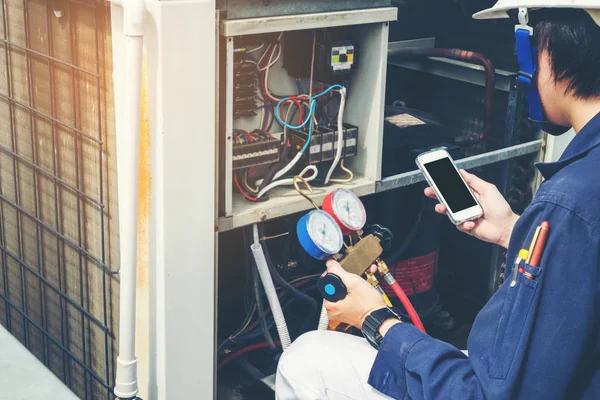
The first step in a water damage restoration project is assessment and inspection. Professionals will evaluate the extent of the damage using specialized tools like moisture detectors and hygrometers. This assessment helps in determining what materials are salvageable and which ones need replacement. Once they have a clear understanding of the situation, they will develop a comprehensive plan tailored to your specific needs.
Following the initial assessment, water extraction becomes paramount. Technicians employ powerful pumps and vacuums to remove standing water from your property efficiently. The speed at which this is done plays a critical role in minimizing structural damage, as prolonged exposure to water can weaken walls, floors, and ceilings.
After extraction, drying and dehumidification are essential steps in ensuring that all moisture is eradicated from affected areas. Industrial-grade air movers and dehumidifiers are strategically placed throughout your home or business to accelerate evaporation and draw find out more hidden moisture trapped within building materials. This phase may take several days depending on the severity of the incident but is vital for preventing mold infestation.
Once everything is thoroughly dried out, cleaning begins. All surfaces impacted by water must be sanitized to eliminate bacteria or potential contaminants brought in by floodwaters or sewage backups. Restoration professionals use antimicrobial treatments along with air scrubbers during this stage to ensure indoor air quality remains safe for occupants.
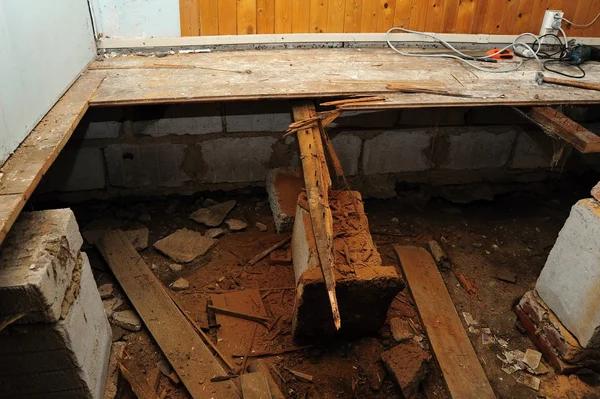
Repairing damaged structures follows next; this might include replacing drywall panels destroyed beyond repair or installing new flooring where necessary due again largely dependent upon how severe original damages were initially assessed earlier during inspections conducted prior starting actual work itself too! Carpeting could require complete removal if soaked through entirely while hardwoods typically fare better under similar circumstances albeit sometimes needing refinishing touch-ups post-cleanup efforts completed successfully already!